Science fiction by mood: ideas, adventure or dystopia?
Science fiction describes the rules of a story more than the feeling of watching it. Two films can both involve advanced technology or distant futures and still create completely different movie nights.
For ideas: look for one big “what if?”
Cerebral science fiction usually works best when you want the premise to stay with you after the credits. The technology, future society or altered reality is not just decoration; it creates the question the story keeps testing.
CINORA’s mind-bending science-fiction collection is the strongest starting point for this mood. Expect unfamiliar rules and stories where paying attention matters.
For movement: choose exploration and adventure
Not every sci-fi night needs to feel like homework. Space travel, unknown worlds and large-scale journeys can use speculative settings mainly to create discovery and momentum. If scale matters more than puzzles, pair the science-fiction genre with CINORA’s big-screen adventures.
For pressure: move toward thriller territory
Science fiction becomes a different experience when the central question is not “what is possible?” but “what happens next?” Confinement, pursuit, dangerous experiments and uncertain identities can push the same speculative ideas toward suspense.
When that is the mood, explore thrillers alongside science fiction rather than treating genre labels as walls.
For darker futures: focus on the society
Dystopian stories often make the world itself the source of tension. Surveillance, scarcity, rigid social systems or environmental collapse can turn future-building into a way of examining power and everyday life. These movies can overlap with action, drama or thriller, but the defining experience is usually the pressure created by the world’s rules.
For wonder: let the world be the point
Some science fiction is satisfying because it makes the unfamiliar feel enormous: new landscapes, strange technology, alien environments or a sense of scale that ordinary settings cannot provide. For those nights, prioritize adventure and visual discovery over rating order.
Match complexity to your attention level
A science-fiction premise can be simple to enter or deliberately demanding. Time loops, fractured timelines, unfamiliar terminology and hidden rules can be rewarding when you want to concentrate, but frustrating when the movie is playing at the end of a long day. Before browsing, decide whether you want to learn a system or simply enjoy a world.
If attention is limited, favor stories with a familiar emotional engine—adventure, pursuit, comedy or romance—even when the setting is futuristic. When you actively want a puzzle, move toward mysteries that reward attention or the more cerebral end of the science-fiction catalog.
Notice which other genre is doing the work
Science fiction often supplies the setting while another genre controls the experience. A space story can behave like a war movie; a robot story can behave like a family drama; a future city can support a detective mystery. Asking “what is actually driving the next scene?” is more useful than treating science fiction as one mood.
If confrontation and urgency drive the story, compare it with action and adventure. If clues and uncertainty drive it, use the thriller-versus-mystery guide. This makes mixed-genre titles easier to choose without arguing over labels.
Use runtime as a final filter
Once the mood is right, time can settle the final decision. A long speculative world may be perfect when the movie is the evening’s main event, while a compact concept can work better on a weeknight. If your available window is tight, use the 90–100 minute movie-night guide before opening another large list.
Explore current science-fiction titles
Examples from CINORA’s verified-provider catalog. This is not a ranking or paid placement.
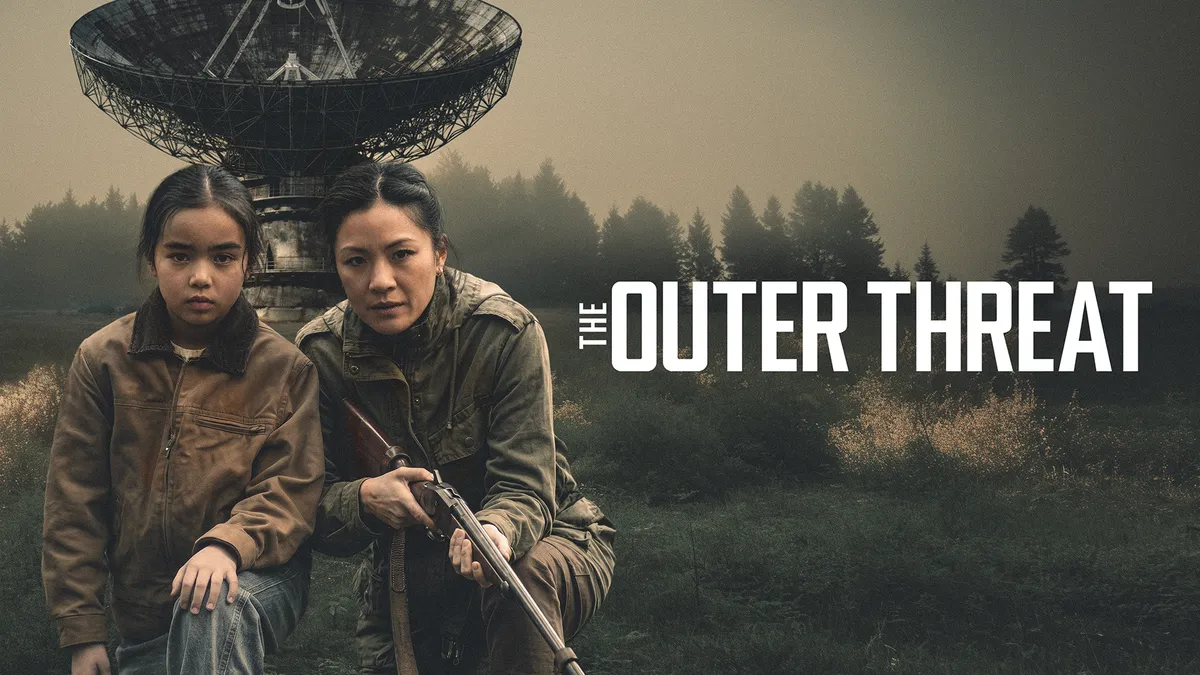 The Outer Threat
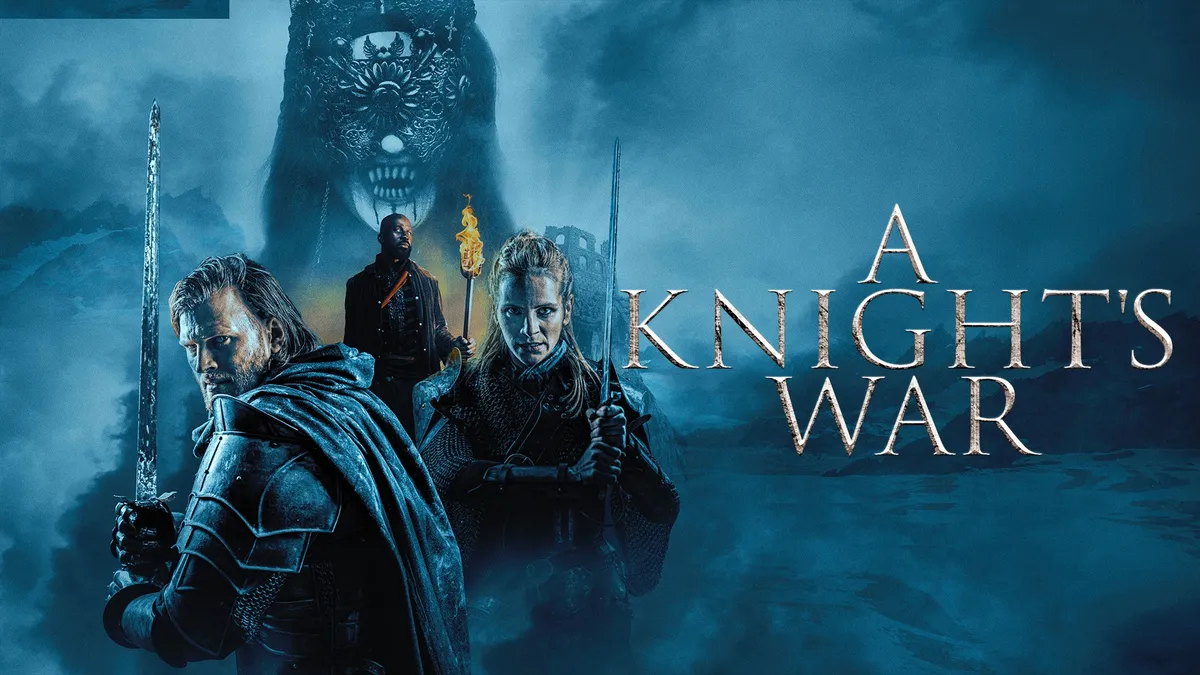 A Knight's War
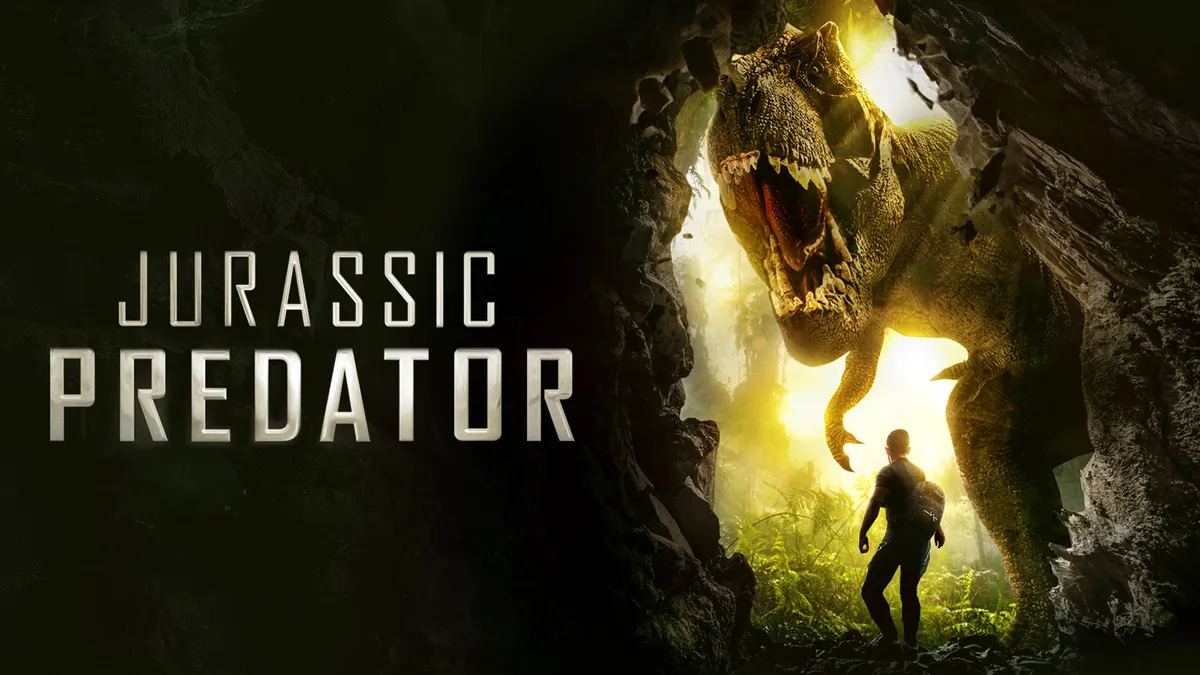 Jurassic Predator
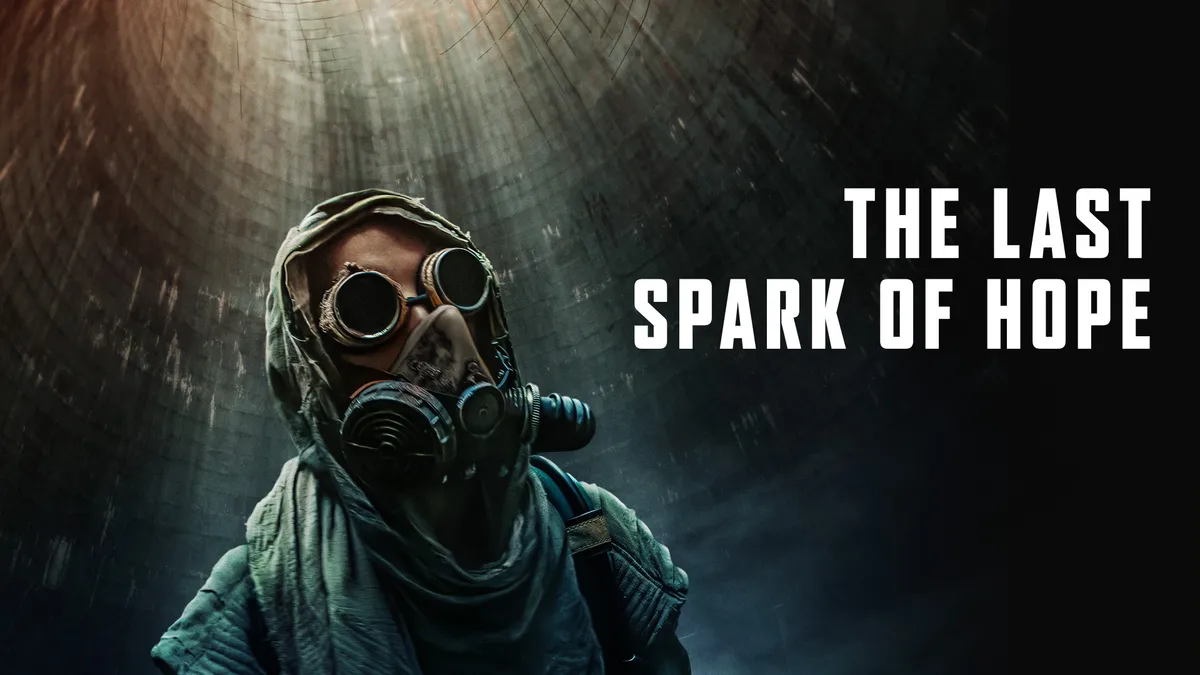 Last Spark of Hope